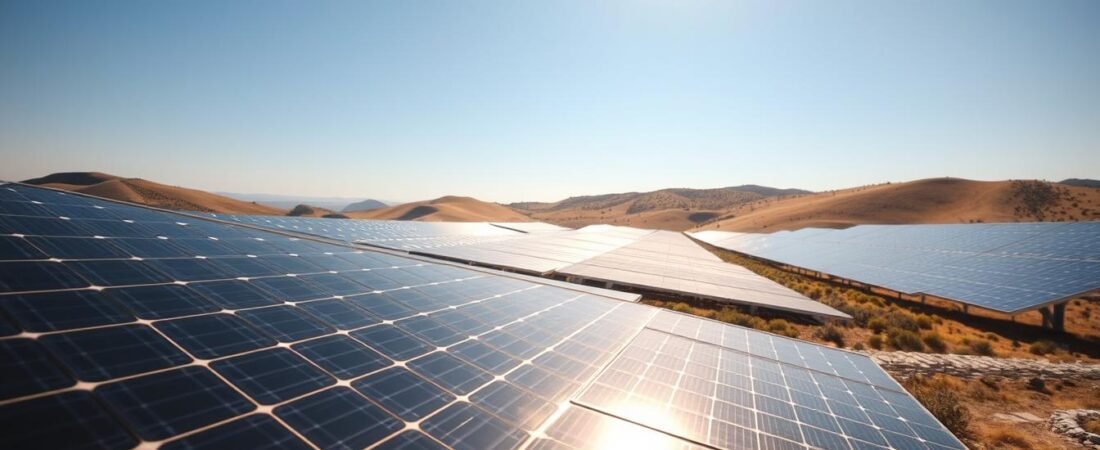
Thinking about rooftop power? This introduction gives a clear snapshot of what homeowners need to know before investing in a system. Expect real numbers, practical benefits, and the key factors that shape long-term value.
Most families save between $37,000 and $154,000 over 25 years by switching to renewable energy. A typical 12 kW installation in 2026 averages about $30,505 before incentives.
Modern setups use high-efficiency monocrystalline equipment to boost power and lifetime value. The Department of Energy’s SolarApp+ aims to cut permitting time and fees, making installation smoother for homeowners.
Beyond the sticker price, true value comes from avoided utility bills, federal incentives like tax credits, and the right system size and roof orientation. Many homeowners recover their investment in roughly 10 years and enjoy decades of free electricity after that.
Understanding How Much Do Solar Panel Cost in 2026
2026 brings unusually low prices for home systems, making it a strong year to get quotes. A typical 7.2 kW system purchased with cash averages $21,816, a figure many homeowners find attractive compared with past years.
Prices vary a lot by state. Arizona shows some of the lowest rates, while Nebraska and South Dakota rank among the highest. Regional differences can change your final bill by thousands.
System size and household energy needs drive most of the total. Larger setups usually lower the per-watt rate thanks to economies of scale, according to industry analysis.
Don’t forget incentives. Federal tax credit programs and local rebates can cut the net price significantly, improving long-term savings on electricity and boosting overall value.
- Request quotes from at least three companies to compare equipment, installation, and warranties.
- Balance upfront spend against years of utility savings to judge investment value.
Breaking Down the Total Investment
Behind every quoted price are clear line items that determine value and long‑term savings.
Equipment costs include panels, inverters, racking, and electrical hardware. For a typical 12 kW setup, panels make up less than one‑third of equipment and total roughly $14,055. High‑quality inverters, like microinverters, can raise upfront spend but boost output on shaded roofs.
Soft costs
Permitting, interconnection, and administrative fees often add about 8% to the total. Marketing and customer acquisition also affect final pricing and can change quotes between companies.
Labor and installation
Installer overheads are significant—around 46% of the invoice—with labor itself roughly 7%. Installers typically include profit margins near 11% in their rates.
- Racking and mounting secure panels to your roof.
- Permits and utility hookups add a few thousand dollars on average.
- Understanding these categories helps homeowners compare offers and evaluate incentives like the tax credit.
Key Factors Influencing Your Final Price
Your final invoice depends on a mix of your home’s energy use and the roof it sits on. Installers calculate system size from annual electricity usage. Bigger systems raise the upfront system cost but often lower the price per watt.
System Size and Energy Needs
Home energy data drives how many panels a household requires. A larger array gives greater savings over years and may qualify for better equipment options.
Roof Characteristics
A south-facing roof at about a 30-degree slope with full sun reduces the number of panels needed. Complex roofs with many planes or skylights increase labor and design time, raising installation fees.
- Tree removal to reduce shade can run $300–$1,500 but improves long-term efficiency.
- Electrical upgrades—many homes need a 200-amp panel to support new systems safely.
- Larger systems usually offer lower per-watt rates, similar to bulk discounts at large retailers.
| Factor | Typical Impact | Estimated Range |
|---|---|---|
| System size (kW) | Affects panels required and per-watt pricing | Varies by usage; larger size lowers unit price |
| Roof orientation & slope | Determines panel count and tilt needs | South-facing, 30° = most efficient |
| Site prep & upgrades | Tree removal, electrical panel work, flashing | $300–$1,500 (trees); $1,000+ (panel upgrades) |
| Local utility rates | Influences value of produced power and payback | State and company dependent |
Tip: Ask a professional installer to review your roof and energy data. That assessment helps pinpoint true system cost and expected savings before you sign.
Regional Variations in Solar Pricing
State markets shape what homeowners pay. Local labor rates, permitting fees, and rebate programs create wide price swings. Arizona often posts some of the lowest averages thanks to strong competition and abundant sun.
In contrast, Nebraska and South Dakota regularly see higher numbers. Those states may need larger systems or face higher permitting and labor expenses.
Sunlight and policy both matter. Homes in sunny states usually need fewer panels to meet electricity needs. That can lower overall system costs and shorten payback time.
Compare quotes from local companies. Ask about state rebates and the federal tax credit. Also check utility rules that affect interconnection and net metering.
- Labor, permits, and local incentives drive most variation.
- Sunny regions can reduce panels required and raise long‑term savings.
- Getting multiple bids reveals how regional factors affect the final investment.
Comparing Cash Purchases and Solar Loans
Choosing cash or financing can change total lifetime payments by thousands. An upfront purchase removes interest and extra lending charges, so cash buyers typically keep the largest long‑term savings.
Understanding Dealer Fees
Many loans bundle dealer fees that add roughly 19.99% to the principal. That percent raises monthly payments and increases total paid over the life of the loan.
Loans still let homeowners claim the federal tax credit and other incentives because the buyer owns the system. Some companies offer zero‑down options that lower initial outlay and start cutting the electricity bill right away.
- Cash: Immediate ownership, no interest, higher lifetime savings, added home value.
- Loan: Lower upfront, dealer fees and interest increase total, but tax credit remains available.
- Read the fine print on interest rates, fees, and prepayment terms before signing.
The Role of Solar Leases and Power Purchase Agreements
If you prefer predictable monthly bills and no equipment ownership, leases and PPAs offer a clear path.
Zero down is common with these contracts. The company installs the panels and handles all maintenance and repairs.
Leases typically deliver immediate reductions to your electricity bill. They often yield smaller long‑term savings than buying a system outright.
Sunrun Subscription Plans are a familiar example. They provide steady monthly payments for clean energy without a big upfront payment.
Because the provider owns the equipment, you usually cannot claim certain tax incentives and rebates reserved for system owners.
Read the PPA terms closely. Rates and escalation clauses can change your payments across 20–25 years and affect total value.
For many homeowners, leases suit those who want low risk and no maintenance duties. Buyers focused on long‑term investment and greater savings will often prefer ownership.
- $0 down and little responsibility for repairs.
- Predictable monthly bills, with possible rate escalations.
- Less eligibility for tax credits and lower lifetime savings vs ownership.
Long Term Maintenance and Repair Considerations
A modest maintenance plan can prevent small issues from becoming costly repairs. Regular care keeps a system producing steady electricity and protects long‑term savings.
Routine Cleaning
Keep panels clear to maintain peak efficiency. Professional cleaning typically runs between $15 and $30 per panel. For a whole array, that often equals about $300–$600 per year.
Most homeowners schedule cleaning once or twice annually. That frequency balances effort with performance gains and keeps energy output near design levels.
Inverter Replacement
Inverters usually need replacement every 10 to 13 years. Plan for this as a normal equipment expense when you budget for long‑term ownership.
- Monitor system data to spot drops in production early.
- Unexpected repairs (wiring, racking) range from $100 to $1,000, so a strong warranty adds real value.
- If you lease, your company may include maintenance; owners must cover these costs.
Bottom line: Proper upkeep and timely inverter swaps help a system deliver reliable power for 25 years or more and protect the investment you made in installation and savings.
Evaluating the Financial Return on Investment
Start by comparing your net investment to the annual dollar savings on your electric bill.
Calculate payback by dividing the system’s net price after incentives by your yearly savings from reduced utility charges. On average, homeowners reach break‑even in about 10 years, leaving roughly 15 years of near‑free power production.
Consider utility rates and future increases. Rising rates increase the value of produced power and shorten the payback period. Local incentives and the federal tax credit lower upfront expense and speed returns even more.
“A well‑sized system turns equipment and installation into a long‑term source of household savings.”
Estimate your expected savings by reviewing past bills and matching usage to the recommended system size. Ownership gives homeowners the full benefit of production and home value gains, unlike leases.
- Divide net cost by annual savings to find payback.
- Use local rates and expected escalations to refine estimates.
- Check available incentives and the tax credit before you sign.
For deeper details on expected returns, see a practical guide to solar panel ROI explained.
Navigating Available Solar Incentives
C changes to federal policy mean homeowners must now lean more on state and utility rebates. The federal tax credit once covered 30% of installation costs and saved the average homeowner about $6,545.
Federal Tax Credit Status
As of January 1, 2026, the federal tax credit is no longer available for newly installed customer-owned residential systems.
Homeowners who completed work on or before December 31, 2025, may still claim the tax credit when filing returns.
Local options still matter. Many states and utilities continue to offer rebates and performance-based incentives. Researching these programs when installing solar helps preserve value and reduce net expense.
| Incentive Type | Who Offers It | Typical Benefit |
|---|---|---|
| State rebate | State energy office or utility | Upfront cash or per-kWh payments |
| Performance incentive | Local utility | Payments tied to production |
| Storage bonus | State or local program | Discounts when pairing batteries |
Tip: Ask a reputable installer to list available programs for your address. Even with federal changes, incentives at the state and local level can make installing systems sensible. For many homeowners, the long-term protection from rising utility rates and added resilience with batteries keeps projects attractive.
Conclusion
Investing in on-site clean power reshapes your utility outlook and can secure predictable energy bills.
Deciding to add generation is a major household choice. Consider your home’s energy needs and roof characteristics before you commit.
Note: Federal tax credits changed in 2026, but long-term savings from reduced bills still make projects worthwhile for many homeowners.
Whether you buy with cash, finance, or choose a subscription model, maintenance and quality equipment matter. Regular upkeep and strong warranties keep production high for decades.
Compare local utility rates and state incentives to find the best path. Investing in renewable energy protects your household from rising prices and supports a cleaner future.