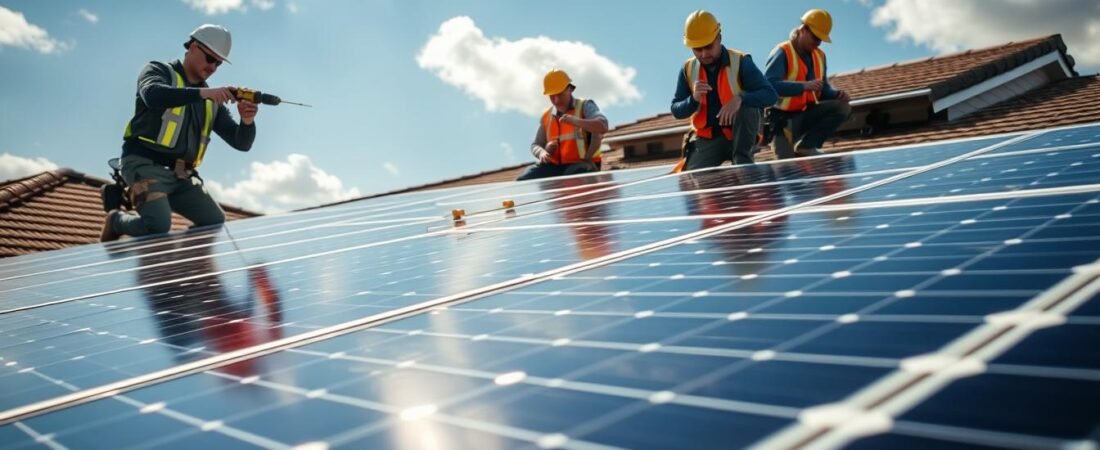
Worried that adding panels will harm your roof? Many homeowners share that concern, but professional work and the right planning keep risks low. A proper approach focuses on weight limits, secure mounting, and sealing around penetrations to protect your home’s structure.
Permits and inspections matter. Local rules often require approvals so installers meet standards. Certified installers use proven methods to ensure your system performs well and the surface stays intact.
If you prefer a no-permit option, portable units like the EcoFlow DELTA 3 Series offer clean energy without permanent changes. For DIYers, follow a clear plan, safety protocols, and local codes to avoid problems.
In short: research, hire pros when needed, and use quality mounting gear. With care, installing new panels is a safe, long-term investment that should not compromise the health of your home.
Understanding the Risks of Solar Panel Installation Roof Damage
Many people assume panels always cause wear, but the real issue is how they are attached. Concerns often center on leaks, weather exposure, and the long life of the system. Proper work keeps risk low and protects roofing materials.
Common Misconceptions About Solar and Roof Health
It’s a myth that panels inherently harm a roof. Most problems stem from poor mounting or sloppy flashing.
When holes are sealed correctly, vents stay dry and shingles keep their function. In fact, panels can shield roofing materials from UV and weather.
The Importance of Professional Installation
High-quality installers use flashing, sealants, and tested mounting systems to prevent leaks and keep integrity intact. The 2019 Walmart lawsuit against Tesla shows what can go wrong with negligent work.
Use a vetted company—services like EnergySage connect homeowners with qualified teams. Ask about workmanship warranties and how crews will protect your roof during and after the process.
- Confirm certified installers and a clear warranty.
- Request details on mounting and waterproofing methods.
- Choose teams experienced with your roofing materials.
Preparing Your Home for a Successful Solar Array
Begin with a rafter and truss inspection. A qualified roofing professional should check rafters, trusses, and sheathing before you install solar panels on your home. Each residential solar panel typically weighs between 40 and 50 pounds, so load matters.
Replace an aging surface first. If your roof is near the end of its life, swapping it now can save costs later and avoid removing a full array.
- Confirm structural integrity to reduce the risk of sagging or panels damage roof issues.
- Use the EnergySage Solar Calculator to test capacity and estimate costs and savings.
- Consult experienced solar installers about your roofing materials and mounting plan.
- Consider portable systems like the EcoFlow DELTA 3 Series (1–5 kWh) if you want energy without added weight.
Planning is the key. A short professional inspection gives homeowners peace of mind and protects the long-term performance of the system and the surface beneath.
Best Practices for Mounting Panels Without Compromising Integrity
Good mounting practices safeguard the surface beneath while keeping panels secure. Start with a plan that aligns mounts to rafters and limits roof penetrations. Use flashing under tiles and seal lag bolts with moisture‑resistant sealant to prevent leaks.
Secure hardware and flashing: Mounting hardware is typically placed every four feet and fastened into rafters. Flashing acts as a shield under tiles to keep water out. Proper sealing around every fastener is essential.
- Maintain a 4‑inch air gap to promote airflow and prevent moisture buildup.
- Align mounts with rafters for even weight distribution and structural integrity.
- For a flat roof, consider ballast mounting systems to avoid drilling holes.
Final notes: Professional mounting systems handle the extra weight and weather exposure while helping protect your roof. If you plan to do work yourself, read a guide on common roof mounting mistakes before installing solar panels to reduce the chance of future problems.
Navigating Installation Challenges Based on Roof Material
Different roofing materials create unique challenges when adding a home energy system. Metal, tile, and flat surfaces each need specific methods to keep a system secure and the surface protected.
Metal surfaces are often the easiest. Special clamps let installers attach mounts without drilling holes. Corrugated metal needs brackets placed on ridges or valleys for a stable fit.
Tile surfaces require a gentle touch. Tiles can crack under light pressure, so crews may replace fragile tiles with composite pieces to create safe anchor points. That adds labor and can raise costs.
- Use correct mounting systems for each material to avoid leaks and weak spots.
- On a flat roof, ensure mounts are sealed and water pooling is prevented.
- Talk with experienced installers about material-specific risks and repairs.
Bottom line: pick teams that match methods to your surface. With proper mounting systems, you can harvest clean energy while keeping your home intact and minimizing panels damage roof risks.
Protecting Your Roof After the System is Operational
Routine checks keep small issues from becoming costly problems after your system is live. A quick walkaround every few months helps you spot loose mounts, cleats, or debris that could trap moisture.
After severe weather, inspect connections and flashing right away. Hail, wind, and heavy rain can expose weak spots in mounting and create leaks.
Preventive steps keep the area dry and ventilated. Bird netting or deterrent strips along the bottom edge help stop animals from nesting and chewing wiring.
- Schedule regular inspections to catch leaks under solar panels early.
- Keep the area under panels clear of leaves and debris to avoid mold growth.
- If you see interior water stains, contact your installer or a qualified roofer right away.
With periodic checks and simple fixes, homeowners can protect the roof structure and reduce the risk of panels damage roof concerns over time. A well‑maintained system yields steady energy without compromising the surface beneath.
Final Thoughts on Maintaining Your Roof and Solar Investment
A thoughtful approach keeps both your home and your energy investment safe for decades.
Choose a reputable company and certified installers to ensure a quality installation and lasting performance. Regular maintenance and timely inspections catch small issues before they grow.
Prioritize the health of your roof by checking fasteners, flashing, and seals annually and after storms. The initial costs of professional work often save on future repairs and lower overall costs.
For extra reassurance, read trusted roof damage guidance from EnergySage at roof damage guidance. With smart care, homeowners can enjoy reliable energy and protect their home for years to come.