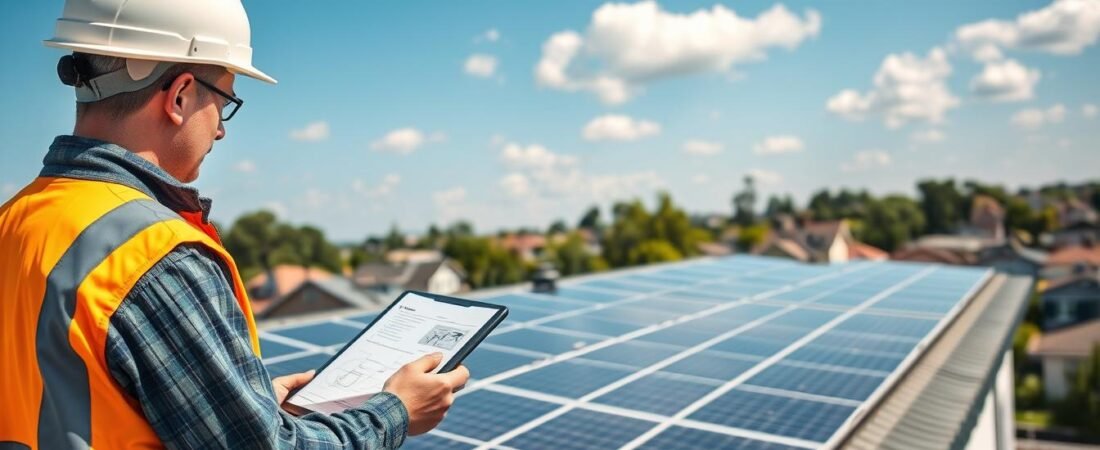
Ready to make a smart home investment? This short guide gives homeowners clear steps to install, care for, and get the best performance from their panels. You will learn how a well-kept system can deliver clean energy and big savings for 25 years or more.
Andy Sendy, a trusted expert with over 15 years in the industry, stresses that regular upkeep is the key to long life and peak efficiency. We cover every step, from the first installation choice to routine cleaning, inspections, and simple fixes for common damage.
In plain language, this article helps you work with an installer or company, monitor production, and protect your roof-mounted system. Follow these practical tips to keep your power source reliable, safe, and efficient for years to come.
Understanding the Basics of Solar Energy Systems
Understanding how light becomes power will make caring for your system easier. This section explains the core function and the benefits you can expect in everyday life.
How Solar Panels Work
Sunlight strikes a panel and creates an electric current inside cells. An inverter changes that current into usable household power.
Result: Your home uses clean electricity while any extra can feed back to the grid.
Benefits of Renewable Energy
Since 2008, hundreds of thousands of solar panels have been added nationwide. Growth in the industry shows this option is practical for many homeowners.
Lakisha Harris of Accokeek, Maryland, says living with on‑roof systems reduced her reliance on traditional energy.
- Systems convert daylight to electricity with few moving parts.
- Modern units are durable and, with simple maintenance, last decades.
- Installing panels on a roof helps households gain more energy independence.
| Feature | What to Expect | Why It Matters |
|---|---|---|
| Durability | Designed for long life | Fewer repairs, steady output |
| Output | Produces clean electricity daily | Lower bills and less grid reliance |
| Upkeep | Simple checks and occasional cleaning | Keeps system efficient for years |
Essential Solar Panel Installation and Maintenance Practices
Simple routines protect your investment and boost long‑term savings. Homeowners should do a visual inspection at least once a year to spot cracks, loose mounts, or debris on the roof array.
Cleaning is advised two to four times per year to keep the sun’s rays clear of dirt. Use a soft-bristled brush and plenty of water, and check with your installer before you start to avoid voiding a warranty.
Safety first: avoid climbing on steep roofs. When in doubt, hire a qualified service team to do inspections and cleaning.
- Look for bird droppings, leaves, and standing water after storms.
- Note any shading from new tree growth that cuts output.
- Document issues with photos to share with your installer or warranty provider.
| Task | Frequency | Why it Matters |
|---|---|---|
| Visual inspection | Once per year | Find physical damage early |
| Cleaning | 2–4 times per year | Maximize energy output |
| Professional service | Every 1–3 years | Check wiring, mounts, and seals |
| Documenting issues | As needed | Supports warranty claims for damage |
For a practical checklist and detailed tips on solar panel maintenance, consult a trusted guide before scheduling work.
Monitoring Your System Performance for Maximum Efficiency
Track daily production with a monitoring app to spot dips before they become costly.
Real‑time tracking gives clear numbers on how your panels perform. A built‑in monitoring system shows energy production for any given day. This makes it easy to compare weeks and months.
Using Apps to Track Energy Output
Monitor constantly: Many apps alert you if power drops suddenly. A decrease often means debris, shade, or dirt on the roof array.
“Consistent monitoring is one of the most effective steps to protect your investment and keep systems optimized.”
- Check daily or weekly to spot trends fast.
- Use alerts to know when cleaning or panel maintenance is needed.
- Call your installer if the app shows a big, unexplained fall in production.
| What to Watch | Why It Matters | Action |
|---|---|---|
| Sudden drop in output | Could indicate debris, wiring, or inverter issues | Inspect visually; contact installer if persistent |
| Gradual decline over months | May signal shading or long‑term soiling | Schedule cleaning and review shading sources |
| Normal daily variance | Due to weather and time of day | Compare month‑to‑month to confirm efficiency |
When to Call a Professional Solar Technician
When electrical faults appear, fast action by a trained technician prevents bigger problems. Do not try DIY fixes for wiring or inverter faults. These issues carry real risk of shock, fire, or further damage.
Signs of Electrical Faults
Look for frequent shutdowns, odd noises from the inverter, or sudden drops in output. These often mean an electrical fault that needs a licensed tech.
- Unusual sounds or frequent trips in breakers.
- Sharp falls in daily production on monitoring apps.
- Burn marks, melted wiring, or scorch smells.
Handling Physical Damage
If you see cracks, discoloration, or loose mounts on your panels, contact your installation company or installer immediately. Warranty may cover replacement.
OSHA warns that workers face electrocution, falls, and burns during service. Let trained pros do high‑risk repairs.
| Issue | Immediate Action | Typical Cost Range |
|---|---|---|
| Electrical fault (wiring/inverter) | Call licensed technician; avoid touching | $300–$850 for inspection/service plans |
| Soiling or minor debris | Book professional cleaning | $150–$330 per visit |
| Cracks or physical damage | Contact installer/company for warranty review | Varies; may be covered under warranty |
“Homeowners should never attempt to fix wiring or inverter issues themselves.”
Managing Seasonal Changes and Environmental Impacts
Adapting your care routine for each season keeps energy production steady and reliable. Hot weather reduces output: for every degree above 77°F, panels lose about 1% efficiency. Plan summer checks to spot heat‑related drops.
Durability matters. Systems proved resilient during events like Hurricane Florence in 2018, but severe storms still risk roof and mount damage. Talk with your installer before storm season to secure mounts and wiring.
Raise the array a few inches above the roof to boost airflow and cut heat buildup. Do spring and fall inspections and deep cleaning to remove pollen, ash, and leaves. These seasons are ideal for thorough checks.
If heavy snow is common, clear panels with lukewarm water or a long‑handled squeegee from the ground. This reduces weight stress and protects against long‑term damage.
- Summer: monitor temperature effects and airflow.
- Spring/Fall: schedule inspection and full cleaning.
- Winter: safely remove snow; check seals after storms.
| Season | Key Action | Why It Helps |
|---|---|---|
| Summer | Ensure ventilation; check mounts | Limits heat loss in performance |
| Spring/Fall | Full inspection and cleaning | Removes debris that cuts production |
| Winter | Clear snow; inspect seals after storms | Prevents water intrusion and weight damage |
Troubleshooting Common Issues with Your Solar Setup
Before climbing on the roof, open your monitoring app to see if production has dropped or alarms appear.
Check the app for sudden falls in energy or connection errors. Incorrect reporting or a lower electric bill can be the first sign of an electrical fault.
If you spot cracks, chips, warping, or hot spots on any panel, document them with photos. Photographs speed repairs and warranty claims.
Never try to fix frayed wiring or chewed cables yourself. Call a licensed electrician who works on these systems. Contact your installation company or installer for a professional inspection.
- Document issues with clear photos and timestamps.
- Report sharp drops in production to your service company quickly.
- Persistent shading from new trees may need professional trimming to restore efficiency.
| Symptom | Likely Cause | Action |
|---|---|---|
| Sudden output drop | Wiring, inverter, or soiling | Check app; call service |
| Physical damage | Cracks, hotspots, warping | Photo, contact company |
| Gradual decline | Shade or dirt | Schedule cleaning or trim trees |
Preventative Measures to Extend System Lifespan
A few targeted steps today can save homeowners from costly service calls later. Start with small upgrades that block common sources of damage. These moves protect wiring, mounts, and output.
Installing Critter Guards
Critter guards keep raccoons, possums, and rodents from chewing cables or nesting beneath arrays. They are low cost and easy for a qualified installer to add.
For flat roofs, add drainage support to avoid water pooling. Standing water causes slow leaks and long‑term damage.
- Set a vegetation schedule to prevent shade and loss of energy savings.
- Keep a maintenance log and follow your installer’s recommended checks.
- Work with reputable companies for protective services and routine care.
| Measure | Benefit | Typical Action |
|---|---|---|
| Critter guards | Prevents chewing and nests | Install mesh or flashing |
| Drainage support | Prevents pooling on flat roofs | Add scuppers or tapered pads |
| Vegetation schedule | Reduces shading losses | Trim trees quarterly |
Conclusion
A simple routine of checks and small fixes keeps your rooftop system reliable year after year.
This short guide showed essential steps for cleaning, monitoring, and troubleshooting home panels to protect long‑term energy output. Regular care is an easy way to keep performance near peak without heavy effort.
With over 15 years of experience, experts agree that steady attention extends service life by many years. If an issue is complex, seek professional help — trained teams handle wiring or major repairs safely.
Thank you for reading this article. Learn more about our team and services at about our team.